
Nature’s Night Shift
Mesa Vineyard Management approaches pest control with a simple principle: the better you understand the ecosystem, the better it works for you.
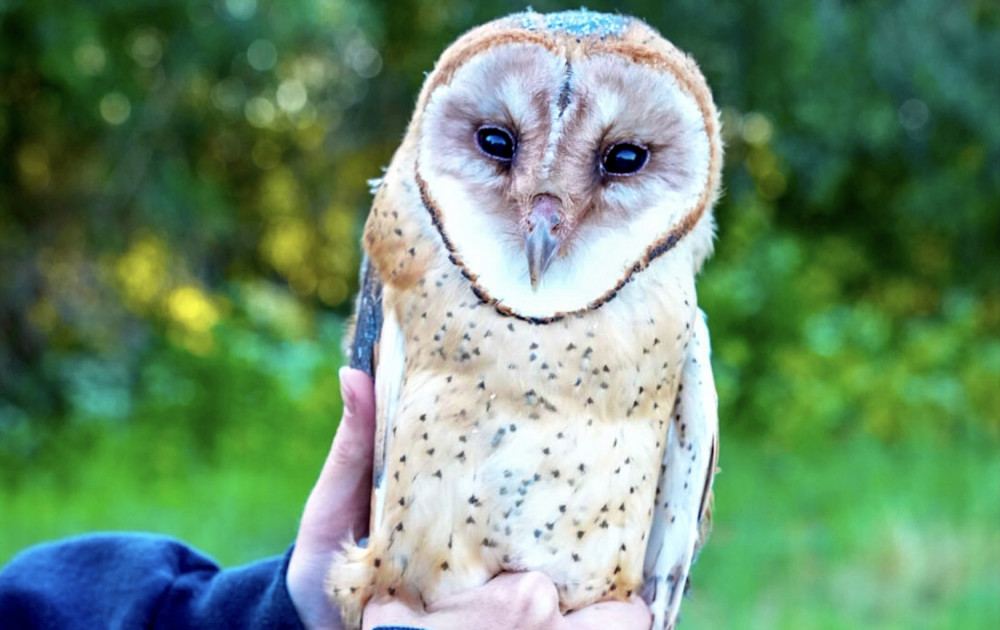
In partnership with California Polytechnic State University (Cal Poly), Mesa is studying how barn owls use vineyard landscapes during nesting season and how the vineyard itself influences hunting activity. The goal is to identify where owls naturally concentrate their efforts, so growers can better support biological rodent control.
From March through July, researchers tracked more than 20 barn owls using GPS tags, mapping their movements across vineyard properties. After recovering the tags, the team examined the locations where owls captured prey.
Mesa used their data to determine which habitat features most influenced hunting behavior.
Early findings already reveal clear patterns. The owls most often struck in areas with shorter canopy height and dense ground cover. Lower vegetation allows them to reach the vineyard floor more easily, while thick ground cover supports higher rodent activity.
In other words, the very conditions that support a healthy vineyard floor also create ideal hunting grounds for natural predators.
Rodent sampling helped confirm the impact. At the study sites, gophers and voles — two of the primary pests growers work to control — made up roughly 75–85 percent of the prey barn owl adults returned to their nests to feed their young.
Researchers are continuing to analyze the data to understand how landscapes impact hunting success. Future models will estimate how many rodents owls remove from vineyard systems, identify preferred hunting areas through heat maps, and track how owls move between nesting sites and feeding grounds.
For Mesa, the goal is not simply installing owl boxes. It is understanding how vineyard design can support natural predators and strengthen biological pest control.