Sustainable Water Stewardship
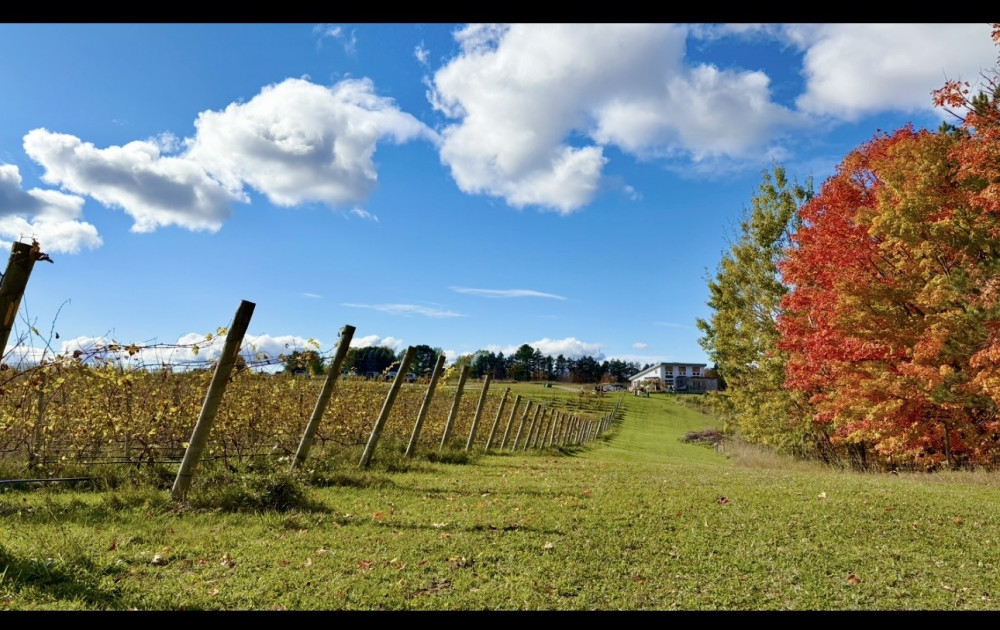
WaterFire Vineyards sits on the highest ridge in the Torch Lake watershed of northern Michigan. From that vantage point, Owner and Vineyard Manager Nick Allen knows that what happens in the vineyard doesn’t stay there.
Torch Lake, the second-largest inland lake in Michigan, is known for its crystal-clear water. Because rainfall moving across the vineyard eventually flows downhill toward the lake, managing runoff is one of the team’s top priorities.
The vineyard was the first in Michigan to become SIP Certified, reflecting a long-term dedication to protecting both people and the environment through responsible farming practices.
Unlike many wine regions, water scarcity isn’t the challenge here. Instead, northern Michigan vineyards must manage increasingly intense rain events. Last year alone brought nearly ten inches more rain than average.
To slow water movement and keep soil in place, WaterFire maintains mature perennial cover crops throughout the vineyard. Native species such as white and red clover protect the soil surface, helping rain to soak into the ground rather than rush downhill.
“Making sure the soil is covered in native vegetation is key for us,” Nick says. “It minimizes runoff and helps keep everything where it belongs.”
About ten years ago, the vineyard partnered with the U.S. Fish and Wildlife Service to create a wildlife retention pond in an area that wasn’t productive for farming. Today the pond helps capture and slow water that moves across the property, allowing more of it to infiltrate back into the soil.
For Nick, those decisions reflect a broader sense of responsibility.
“Our growing choices can affect things just a few hundred feet down the ridge,” he says. “It’s important to weigh those decisions carefully.” That awareness guides how the vineyard is farmed.